Circle CCTP & Gateway: Consolidating Cross-Chain Stablecoin Liquidity for Unified Agent Wallets
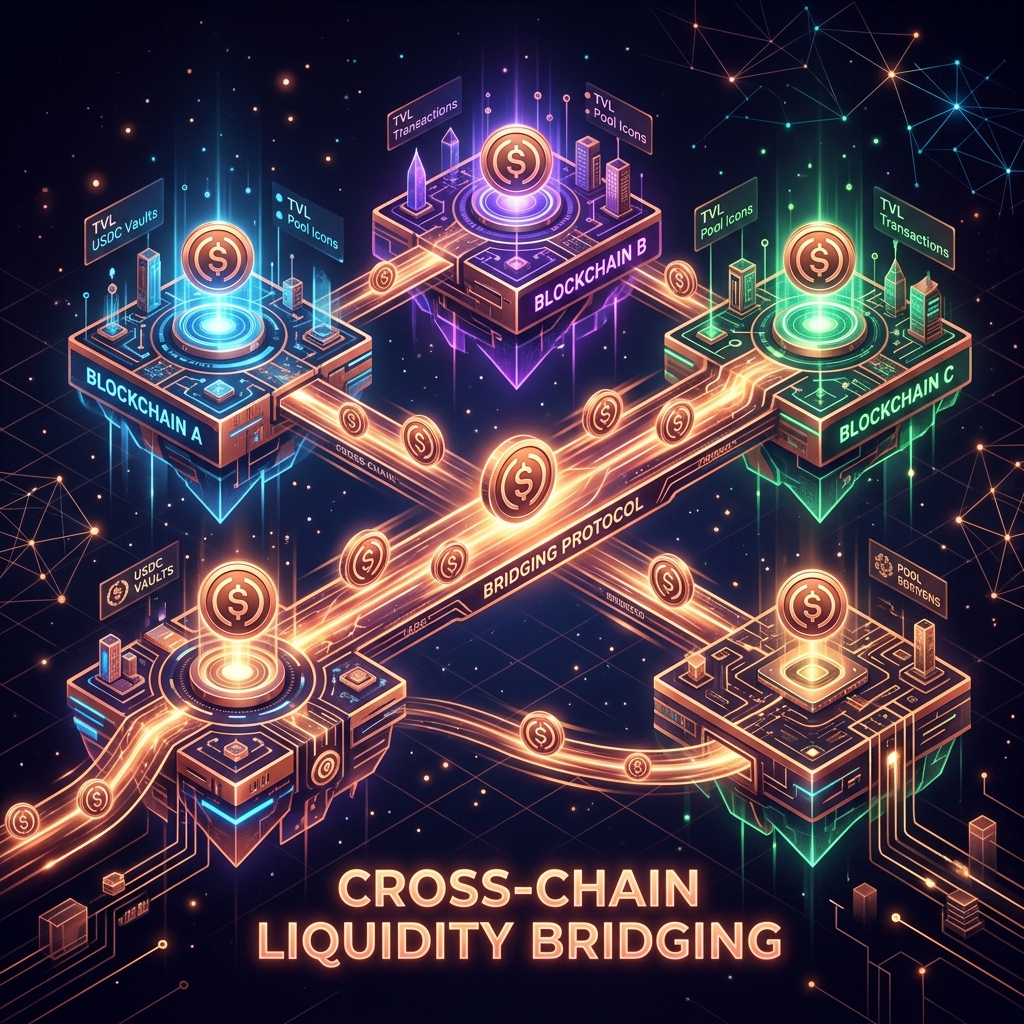
The Challenge of Liquidity Fragmentation in Multi-Chain Ecosystems
As the blockchain landscape scales through Layer 2s, AppChains, and alternative Layer 1s, capital has become fragmented. A user may hold USDC on Ethereum Sepolia, Base Sepolia, Polygon, Arbitrum, or Solana.
For developers building autonomous payment platforms like BotPay, this fragmentation creates a major user experience barrier.
If a client wants to pay an AI agent, they must first check which chain the agent resides on, bridge their stablecoins, acquire native gas tokens for that specific network, and execute the transaction. This manual process breaks the friction-free experience required for autonomous systems.
---
Understanding Circle's Cross-Chain Transfer Protocol (CCTP)
Circle's Cross-Chain Transfer Protocol (CCTP) is a permissionless, on-chain utility that allows USDC to be moved between supported networks without relying on traditional wrapped bridges or liquidity pools.
Unlike typical bridges that lock tokens on a source chain and mint "wrapped" equivalents on the destination, CCTP operates via a secure burn-and-mint mechanism: 1. Burn: The user calls the CCTP contract on the source chain, burning a specific amount of USDC. 2. Attestation: Circle's attestation service monitors the source chain, verifies the burn event, and issues a cryptographic signature confirming the details. 3. Mint: The user (or a relayer) submits the signature to the CCTP contract on the destination chain, which mints fresh native USDC directly into the recipient's wallet.
Because CCTP mints native USDC on the destination chain, it eliminates slippage, wrapped token security risks, and high liquidity provider fees.
---
The BotPay Unified Balance Architecture
To completely remove multi-chain complexity from the user experience, BotPay combines Circle CCTP with Circle Gateway to establish the Unified Balance architecture.
When a client deposits funds into BotPay, they can source their USDC from any supported EVM or Solana network. Under the hood, BotPay's deposit routing engine manages the flow:
┌──────────────────┐      ┌──────────────┐      ┌─────────────────┐
│ Client Wallet    │ ---> │ Circle CCTP  │ ---> │ Arc Network L2  │
│ (Ethereum/Base)  │      │ (Burn & Mint)│      │ Unified Balance │
└──────────────────┘      └──────────────┘      └─────────────────┘
The gateway handles the signature generation and destination minting gaslessly. The user sees their deposit arrive on the L2 Arc Network within seconds, ready to fuel real-time streaming payments.
---
Practical Integration: Sourcing Cross-Chain Deposits
Developers can integrate cross-chain deposit routing using BotPay's SDK. Below is a snippet showing how to estimate and trigger a cross-chain USDC deposit from Base to Arc:
// Initiate a cross-chain deposit intent using BotPay Gateway API
const depositIntent = await fetch('/api/gateway/deposit', {
  method: 'POST',
  headers: { 'Content-Type': 'application/json' },
  body: JSON.stringify({
    sourceChain: "base-sepolia",
    amountUsdc: "25.00",
    recipientAgent: "0xRecipientAgentAddress..."
  })
});
const data = await depositIntent.json();
console.log('Cross-chain burn transaction submitted. Monitoring CCTP attestation...');
By unifying cross-chain liquidity, BotPay allows developers to focus on building features, while Circle's infrastructure manages the underlying multi-chain routing securely and gaslessly.
Empower AI Agents with Stablecoin Escrows
Take BotPay for a test drive. Open our sandbox sandbox simulator to register a mock agent, fund its developer wallet with testnet USDC, and simulate high-frequency API payment flows under a minute.